Florida's Tropics Quiet as Hurricane Season Nears Its Nov. 30 End, but Coastal Flooding Lingers
October 31, 2026
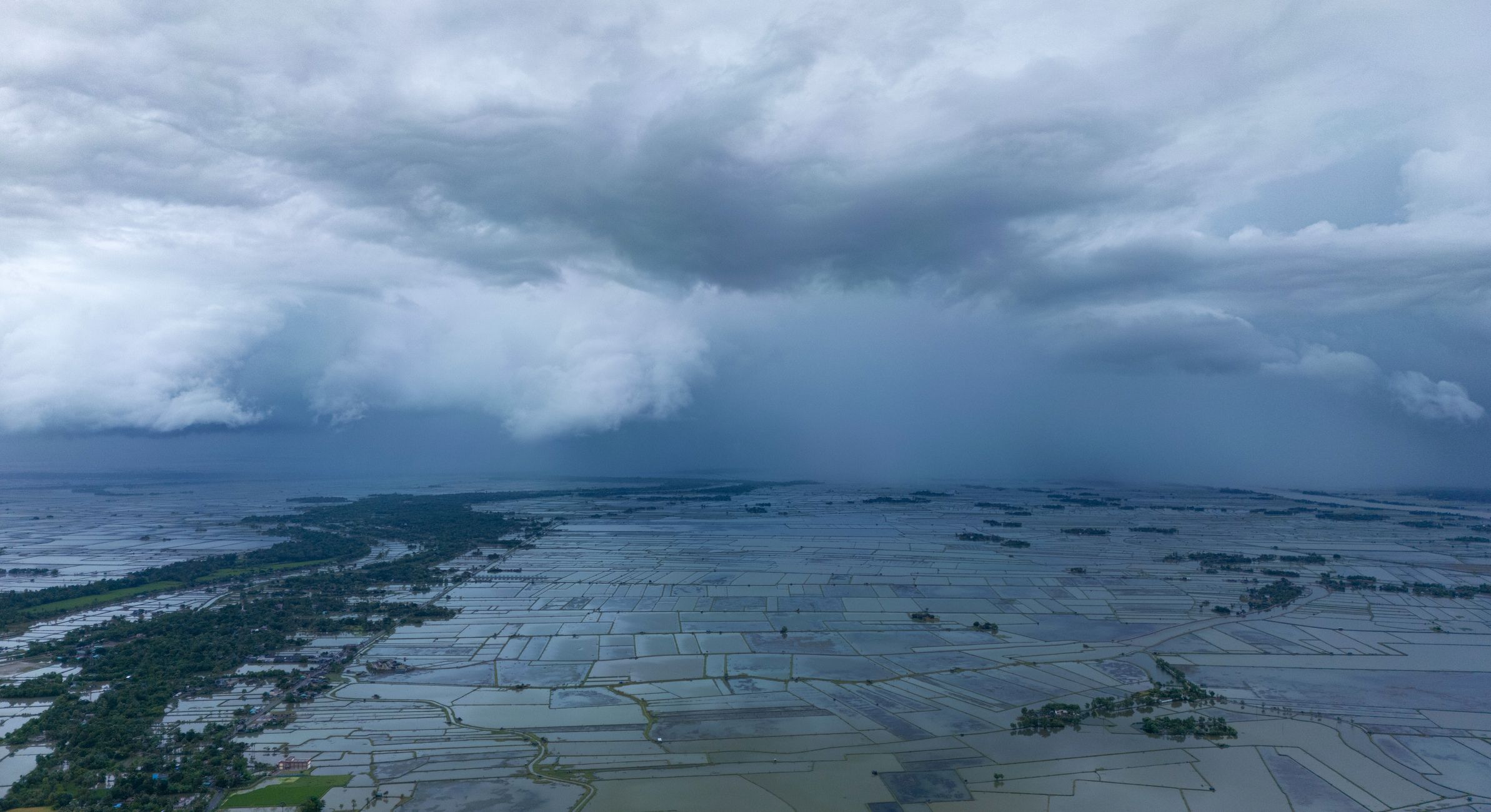
Photo by Zakaria Joy on Pexels
A calm Atlantic, a wet coastline
With just over a month left in the 2026 Atlantic hurricane season, the National Hurricane Center expected no tropical activity over the next week as of its Oct. 30 update. Fox Weather meteorologist Bob Van Dillen said the rest of the season should be dull for the Atlantic basin. He added that the Gulf is still warm, so he would not rule out a quick storm forming there until late November. The season officially ends Nov. 30.
Florida's east coast is still dealing with weather that isn't tropical. For Oct. 30, forecasters listed minor to moderate coastal flooding along the east coast, rough surf, rip currents and beach erosion. The National Weather Service in Melbourne said coastal flooding was still expected at high tide, especially along parts of the Treasure Coast. A coastal flood advisory for St. Lucie and Martin counties ran until Saturday morning. In Central Florida, FOX 35 Orlando forecast rain chances climbing to 60–70% from Sunday into Monday. Heavy rain could cause localized street flooding, especially in coastal counties and low-lying spots that are already saturated.
What it means for you
If you're moving to Florida, a quiet stretch is a good time to get ready. In an Oct. 29 news release, Kristen Hansen, owner of the Port Charlotte home improvement company Turning Point Home Solutions, urged Southwest Florida homeowners to line up contractors ahead of time. She suggested having a screen contractor, painter, carpenter and roofer ready. She also suggested looking up any contractor on Sunbiz.org, the Florida Division of Corporations website, to see where the business is based. She also recommended photographing everything inside and outside the home to support insurance claims. "Be prepared beforehand. Don't panic shop," she said.
Before closing, ask your agent which flood zone and evacuation zone the home is in. Ask for the roof's age and the condition of its shutters or impact windows. Ask your insurer exactly what your policy covers, including whether flooding is covered. After you move in, check your shutters and garage door, and keep your supplies and policy papers in one easy-to-reach place. Heavy rain and high tides can flood streets even when no tropical storm is brewing, so learn how water drains around your street and yard.
Sources
- Florida weather: Avoid beaches as waves and rip currents threaten ↗
- One more month of hurricane season in Florida. Here’s when it ends ↗
- Orlando weather: Rain chances increase for Central Florida this weekend ↗
- Port Charlotte Home Improvement Contractor Urges Southwest Florida Homeowners to Line Up Local Contractors Before the Next Storm ↗
Thinking about the move? Maria can help you make it real — with zero pressure.